
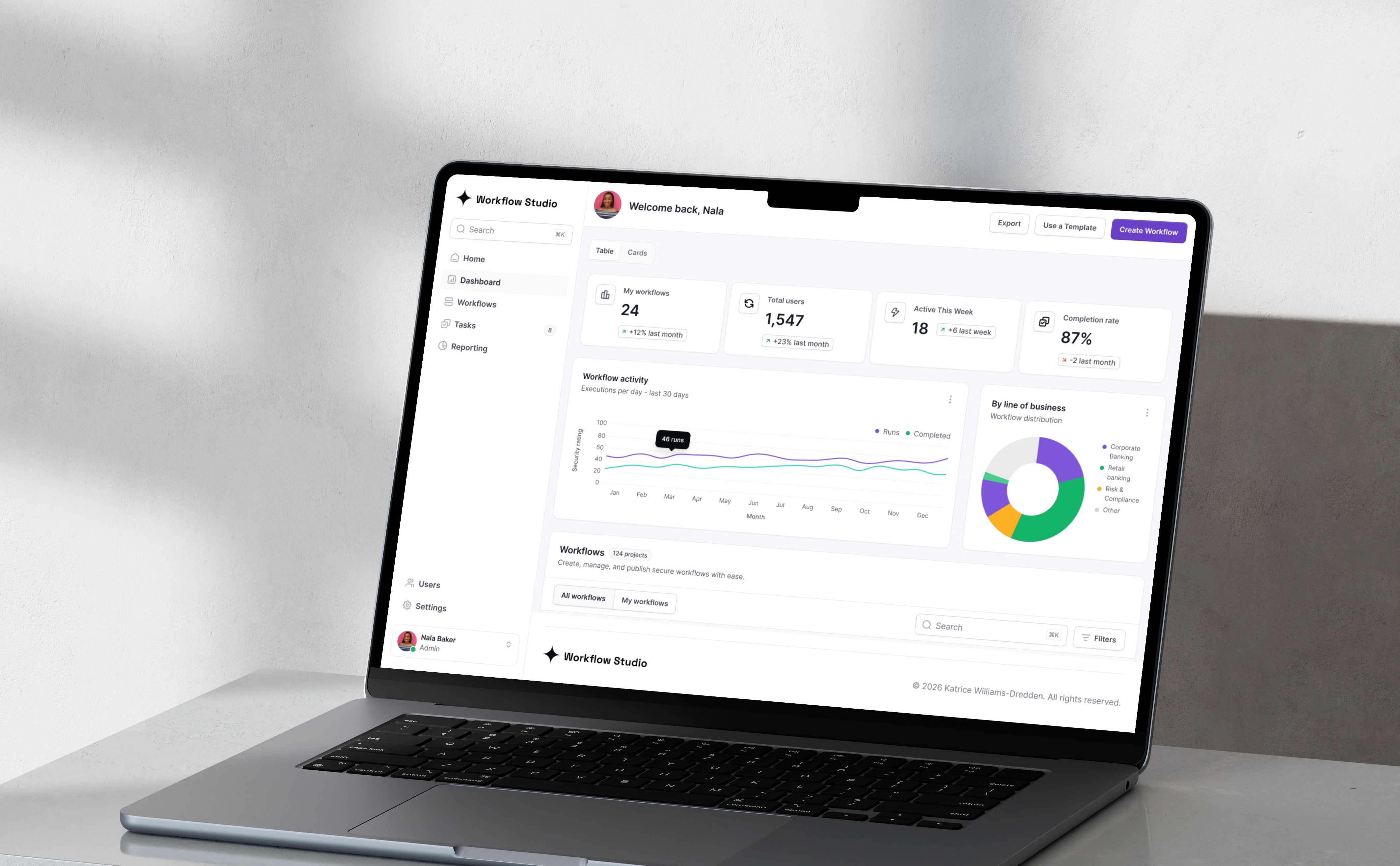
The problem
2–3 week delays per request
100% engineering dependency
No self-service path for ops
No workflow visibility
Compliance gaps piling up



The Solution

Research & Discovery
PROCESS
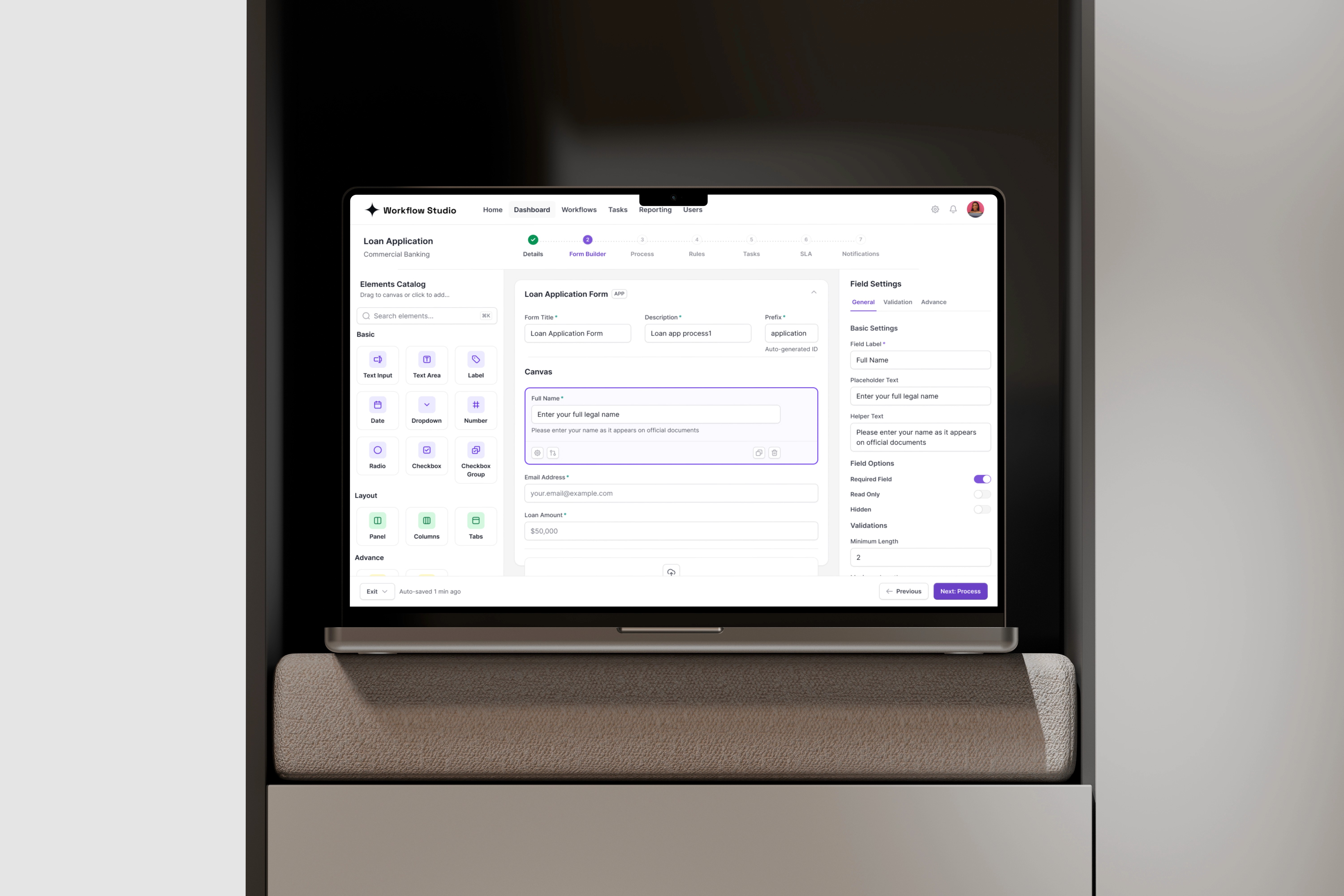
Feature 01: Form Builder

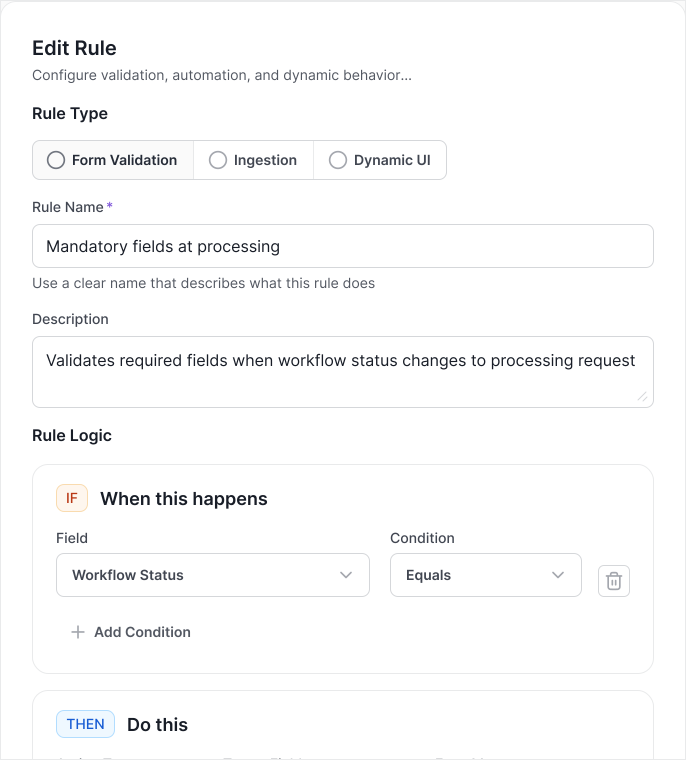
Feature 02: Rules Engine · Hero Feature
Feature 03: Governance and Publishing

Product Gallery


Design Decisions
Words they already knew
"Conditional logic" made ops users freeze. Reframing as "if / then / do" unlocked self-service overnight.
Never lost in the process
Eight configuration steps is a lot to hold in your head. A persistent wizard tracker meant users always knew where they were and what was left.
Errors where they happen
Surfacing compliance issues at publish meant hours of work hit a wall. Moving validation inline, field by field, made errors fixable before they compounded.
Pick, place, configure
Five competitor audits pointed to the same mental model. Catalog left, canvas center, settings right, no one had to learn a new pattern.
Familiar pattern, new context
Monday.com's automation editor was already in ops users' muscle memory. I adapted it for banking compliance instead of inventing something new.
Built for the system, not just the feature
Every new component — side nav, drawer, wizard tracker — was contributed back to Salt DS. Studio felt native because it was.
Product Gallery
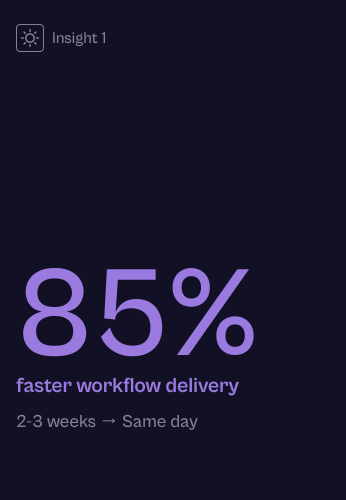
85%
Faster workflow delivery
Configuration went from 2–3 weeks in an engineering queue to same-day self-service
210+
Active users at scale
Grew from 50 at launch with no dedicated training program or support team
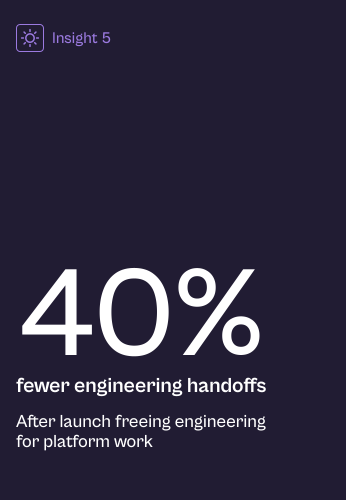
40%
Fewer engineering handoffs
Engineering freed from routine workflow tickets to focus on core infrastructure
$75K
Estimated annual savings
In recaptured engineering time across workflow configuration and maintenance
Before vs. After: Workflow Delivery Time
Time per configuration requestn went from 2–3 weeks in an engineering queue to same-day self-service
Before: Engineering queue
2–3 wks
After: Workflow Studio
Hours